By: Kalese Singleton
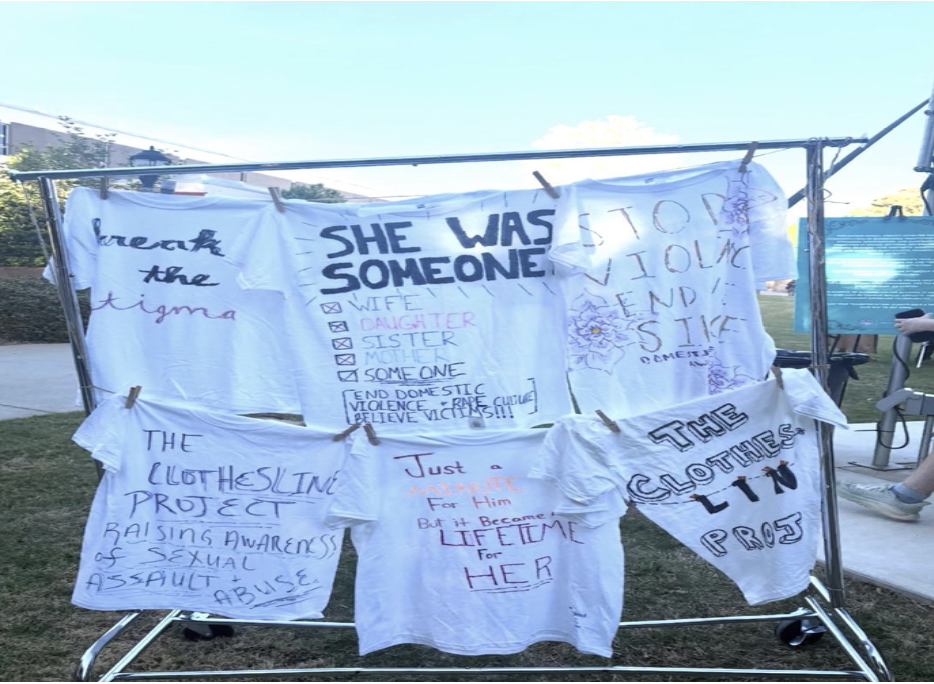
April is Sexual Assault Awareness month. In honor of its survivors, those in the fight, and to raise awareness, Health Services and the Department of Multicultural Achievement promoted the Take Back the Night’s first masquerade ball. Hosted in the Grassy Triangle, students and guests joined one another in creating posters, decorating masks, and designing T-shirts. These items and activities serve as reminders that every voice, action, and act of awareness contributes to the cause. New information on sexual violence was obtained through the counseling center and health services representatives. Their engagement provided information for on-campus resource guides and offered other supportive services. Students put their best foot forward in attire at the masquerade ball, not only to adhere to the theme but to stand in solidarity with survivors and reclaim a sense of power and safety.
Take Back the Night (TBTN) is a global survivor-based movement dating back to the mid 1970’s. During that time, many women were experiencing sexual violence and crimes that were being noticed in cities such as Los Angeles, Philadelphia, and San Francisco. To protest against this, college students at the University of Southern Florida marched through their campus carrying witch brooms and black capes, demanding safety for all women. In 1980, Survivor Laura Lederer wrote and released Take Back The Night: Women on Pornography. The book is made of articles by women expressing the dangers of pornography and how it could be used to incite men to commit sexually violent crimes against women. Hundreds of college campuses rallied and held marches to combat the issue. With the word quickly rising, marches began to spread globally to Canada.
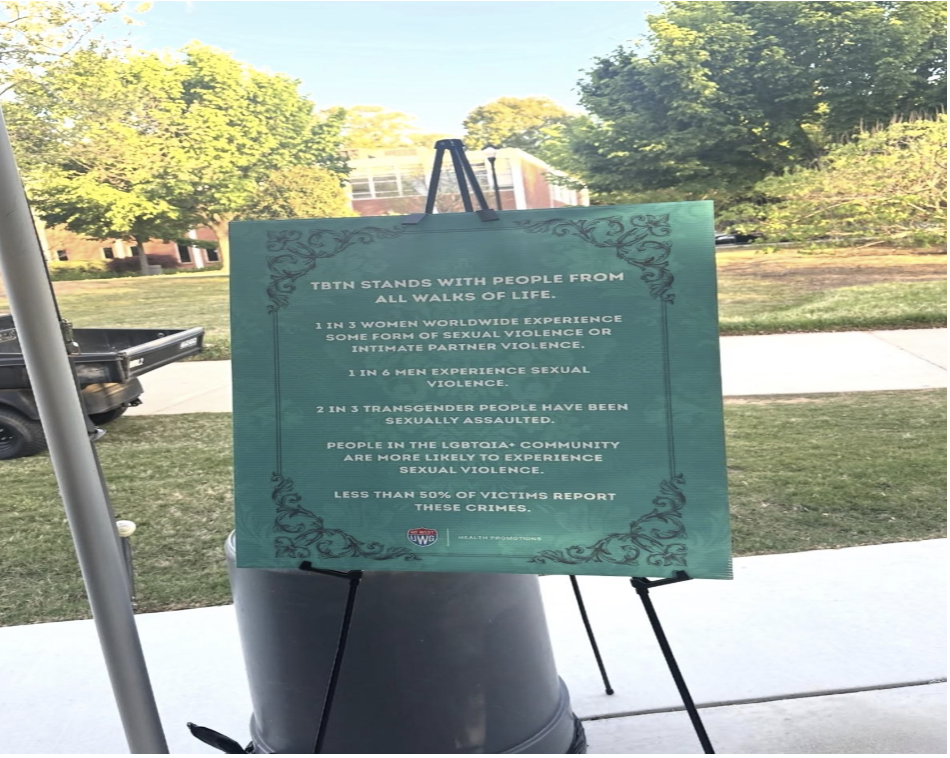
According to the National Sexual Violence Resource Center, “Almost one in four undergraduate women have experienced sexual assault or misconduct at 33 of the nation’s major universities.” That statistic highlights the urgency behind events like Take Back the Night and reinforces the need for continued education and accessible support systems on college campuses.
Katie Koestner, an American activist against sexual assault, visited the West Georgia campus last year for the annual TBTN event. Koestner was the first woman to speak out against date rape in America and created the TBTN Foundation in 2001. In an interview, she expressed, “I hope my story was an opening for others to come forward. The most important part is knowing that we’re not alone.” She now sits as the executive director of the foundation.
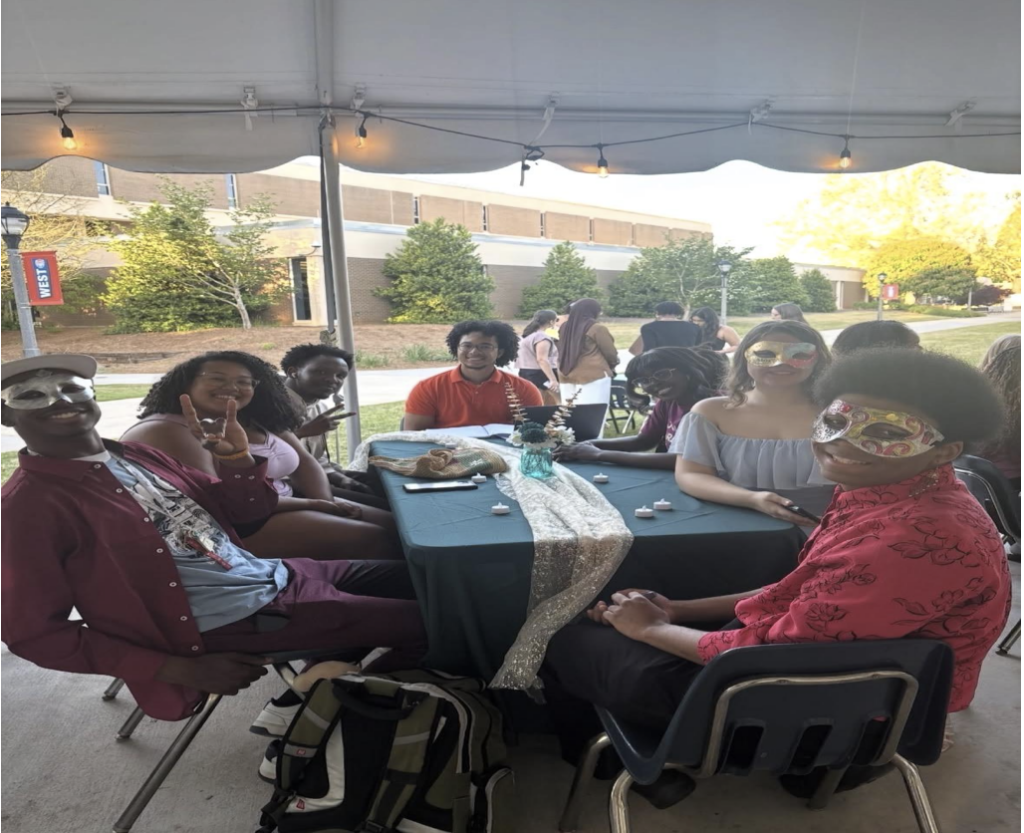
Students gathered beneath a tent in the Grassy Triangle, where decorated tables, string lights, and masquerade masks created a welcoming yet purposeful atmosphere. Attendees engaged in conversation, connected with peers, and participated in activities designed to raise awareness in a more interactive way. While the event maintained a social setting, its message remained clear; brining attention to an issue that continues to impact college communities nationwide.
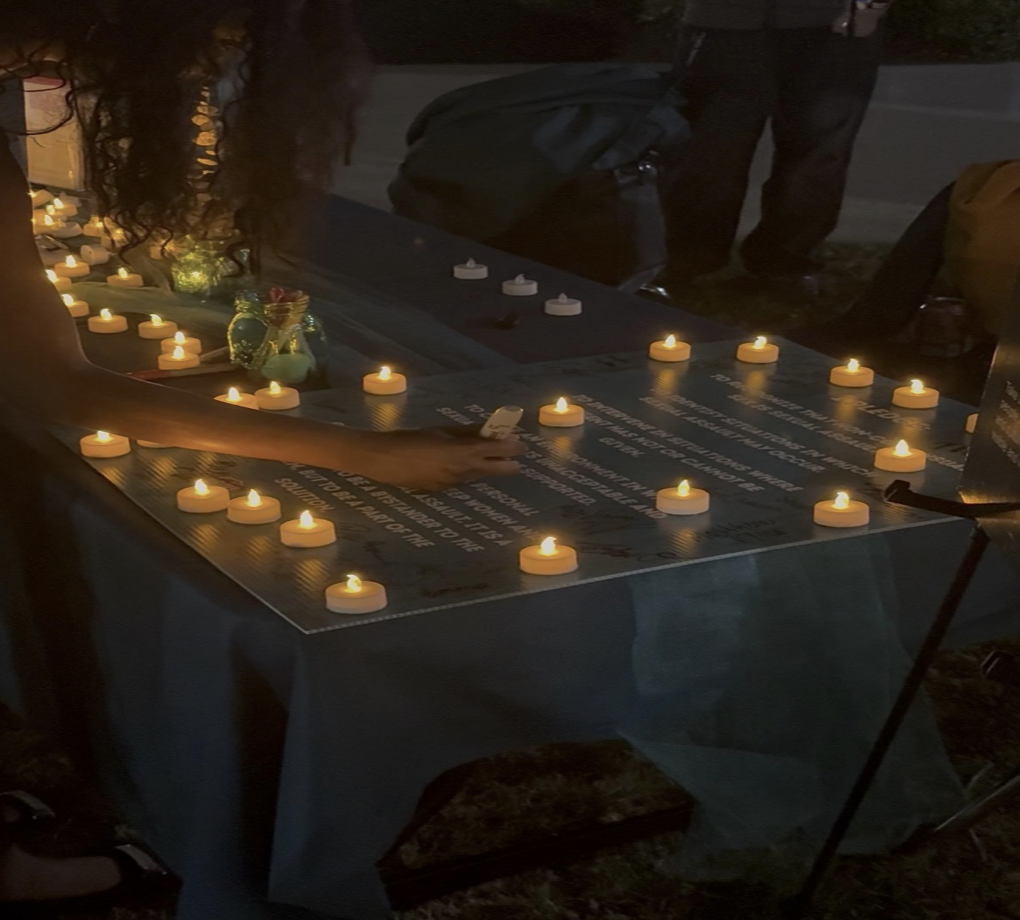
Towards the end of the night, guests were given candles to hold in solidarity with sexual assault survivors. Student Government Association (SGA) President Zachery Potter reminded the crowd that sexual assault isn’t a topic to take lightly, and to never question something that seems wrong in an encounter. After gathering everyone together, he encouraged the crowd to light their candles and sign the pledge to always speak up against sexual related violence and to remember the survivors.