Carrollton, Ga – Two University of West Georgia professors are collecting data on bird collision with windows and buildings to identify problem areas on campus and across Carroll County.
The UWG Bird Collision Study began in 2025 after Alison Umminger, an English professor at UWG, noticed several dead birds that had collided with the Boyd building. She contacted several people and departments across campus to explore ways to address the issue. Andrew Edelman, a Wildlife and Biology professor at UWG who specializes in wildlife, responded with interest in addressing this issue and offered tools he already had in place to collect data.
“The UWG Bird Collision Study is an initiative that Andrew Edelman and I started last year to notice the places on campus where we’re regularly finding birds that have hit the buildings and died,” Umminger said.
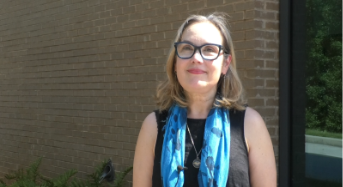
28 birds have hit the West Georgia campus so far since 2025, this number is expected to rise with upcoming fall and spring migration cycle. “We wanted to start collecting data across the campus and the community,” Umminger said
The study has observed 57 bird collisions in Carroll County since the study began. By documenting where collisions occur, the researchers hope to identify patterns and recommend ways to reduce bird deaths. Migratory species are especially threatened because large flocks can collide in mass with some buildings.
According to the American Bird Conservancy, “Building collisions kill over one billion birds annually in the U.S.” The goal of the study is to eventually be able to make data driven management recommendations that are beneficial for birds. “When we’re building new buildings, we can take into account bird friendly features to prevent that from even occurring in the first place,” Edelman said.
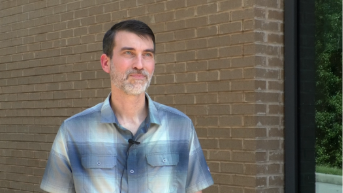
“Turning off lights at night because migratory birds often travel at night and they’re attracted to those lighted surfaces,” Edelman said. Those are a few ways to prevent birds from colliding into buildings, potentially harming themselves. “You can also look at creating a good habitat for birds”, Edelman said.
Students, faculty, staff, and community members can participate in the study by monitoring areas around campus and in the community, participants can also submit photos of birds that they believe have been in a collision and upload them to the INaturalist app. Participants do not need to know the species of the bird; other members of the community will help identify the bird. Unminger encouraged volunteers to find a pattern or specific hot spots where birds are colliding with windows or buildings. More observations will help researchers identify locations that need attention.
“Find an area around campus that you’re going to patrol…do you see birds around and if you see one take a picture, upload it”, Umminger said.